SEO vs PPC: Understanding the Basics
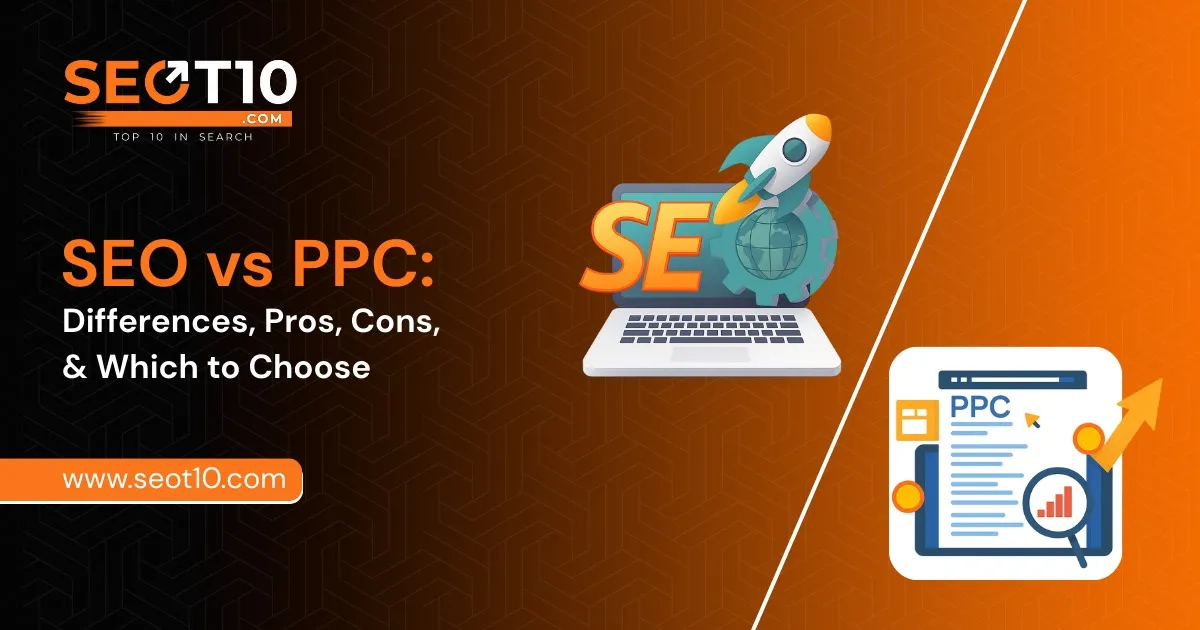
If you’ve ever wondered whether to invest in SEO or PPC, you’re not alone. Businesses globally face this decision while planning their digital marketing strategy. SEO vs PPC are two powerful yet distinct approaches that serve the same ultimate goal: attracting potential customers and generating business results. In simple terms, SEO (Search Engine Optimization) is about earning visibility in organic search results, while PPC (Pay-Per-Click) is about paying for targeted advertising and faster visibility. Both have their unique strengths and challenges, but understanding these differences is key to making an informed decision.
What is SEO?
SEO, or Search Engine Optimization, is a process aimed at improving your website’s visibility in the organic search results of search engines like Google. It involves optimizing content, improving site speed, ensuring mobile-friendliness, strengthening website structure, and earning relevant backlinks. The goal is to rank higher for keywords and topics your audience is searching for.
When done right, SEO can build authority, visibility, and trust with users while generating sustainable organic search traffic. Imagine your site showing up when someone searches for “best running shoes” without paying for each individual click. It can provide long-term value and scalable growth, but meaningful results usually require patience, consistency, and ongoing optimization.
What is PPC?
PPC, or Pay-Per-Click, is a model of digital advertising where advertisers pay when users click on their ads or, depending on the platform and campaign, when other defined advertising actions occur. Google Ads is one of the most widely used PPC platforms, while Microsoft Advertising, Meta Ads, and LinkedIn Ads also provide paid advertising opportunities.
With PPC, businesses can gain visibility quickly for targeted searches, audiences, products, or services, depending on the platform and campaign type. It’s like gaining access to a highly visible position through paid promotion — you can reach your intended audience quickly, but continued visibility generally depends on ongoing advertising spend. This approach is useful for businesses looking for faster traffic, precise targeting, measurable campaigns, and opportunities to generate leads or sales.
SEO vs PPC
This decision isn’t just about picking sides. It’s about aligning your choice with your business goals, budget, competition, and timeline. SEO can provide credibility, organic visibility, and sustained growth, but it requires patience and consistent effort. PPC can deliver faster traffic, precise targeting, and measurable campaign data, but it comes with an ongoing advertising cost.
If you’re looking to build long-term organic visibility and brand authority, SEO may be the stronger foundation. If you need to generate targeted traffic or leads quickly, PPC can be highly effective. Better yet, many businesses combine both to create a balanced marketing strategy, using PPC for immediate opportunities while SEO builds sustainable organic visibility over time.
For businesses comparing short-term and long-term approaches, a broader digital marketing strategy can help determine how SEO and paid campaigns should work together.
FAQs
1. What is better for small businesses, SEO or PPC?
SEO can be valuable for long-term growth, while PPC can provide faster visibility and leads. Many small businesses benefit from starting with a manageable PPC budget while gradually building a strong SEO foundation.
2. Can I use SEO and PPC together?
Absolutely. Many businesses use PPC to generate targeted traffic and test offers or keywords while using SEO to build sustainable organic visibility and long-term growth. A structured SEO and PPC strategy can help businesses evaluate their goals, keywords, website performance, and ongoing optimization needs.
3. Is PPC more expensive than SEO?
PPC requires ongoing advertising spend based on campaign performance and the platform being used, while SEO requires time, expertise, content, technical work, and other resources. Which is more cost-effective depends on your goals, competition, industry, and time horizon.
4. How long does SEO take to show results?
SEO timelines vary significantly based on competition, website condition, content quality, authority, technical factors, and the work being implemented. Some improvements may appear earlier, while more significant organic growth can take several months or longer.
5. Do PPC ads help SEO rankings?
PPC ads do not directly improve organic Google rankings. However, paid campaigns can support broader marketing goals by increasing visibility, generating traffic, testing messaging, and helping businesses understand which offers or keywords perform well.
6. What industries benefit most from PPC?
Many industries can benefit from PPC, particularly businesses with strong search demand, clear customer intent, competitive markets, time-sensitive offers, or products and services that can be measured effectively through leads or sales. E-commerce, SaaS, local services, and event-related businesses can all use PPC effectively when campaigns are properly targeted and managed.
Conclusion
When it comes to SEO vs PPC, the answer isn’t black and white. Both have their place in a well-rounded marketing strategy. SEO can build organic visibility, authority, and long-term growth, while PPC can deliver faster visibility, precise targeting, and measurable campaign performance. For maximum impact, many businesses strategically combine both to reach audiences at different stages of their buying journey.
Choose based on your business needs, budget, competition, and timeline, but remember — the strongest strategy is often not choosing SEO or PPC exclusively, but understanding how the two channels can work together.
Businesses looking for ongoing support can also review the available SEO pricing plans or contact SEOT10 for a tailored SEO or PPC recommendation based on their goals, competition, budget, and timeline.